
The Science of Laser Hair Removal
Laser hair removal uses a laser to remove unwanted hair by targeting the pigment in the hair follicle — here's exactly how it works.
Laser Hair Removal Science
Laser hair removal, as its name suggests, uses a laser to remove any unwanted hair. Most of the process is done with a thin light beam of laser passing through the area of skin being treated. Within the skin — specifically the dark pigment known as melanin, often found in hairs — is targeted. This process literally hits the hair follicle (the root where the hair grows). The contact results in the hair follicle being destroyed. Usually this results merely in slow hair growth; however, multiple laser hair removal sessions can successfully extend a hair-free period.
The Laser Hair Removal Process
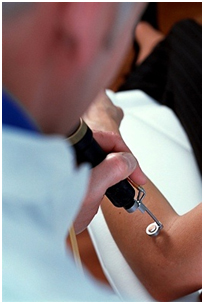
Firstly, a laser device is pressed on the patient's skin, along with a cooling device that keeps the surrounding skin healthy. At this time, the patient wears special goggles to protect the eyes from any laser light that could leak out. When the laser passes through the skin's surface to the tiny sacs (hair follicles), the patient will usually feel a sting. Anaesthetic products may be applied beforehand to alleviate the pain. When the hair follicle is being damaged, an odour of it being destroyed can also be smelled. This same process continues over the whole treatment area, which can take from a few minutes for small areas to a few hours for bigger ones.
After the treatment, to heal successfully, the patient should avoid direct sunlight and direct contact with the treated area. Nonetheless, the patient can quickly return to their daily routine after the procedure.
Preparing for Laser Hair Removal
Before conducting laser hair removal, a patient must consult a doctor to see if the treatment will work for them. If it's decided the procedure can be done, photographs from various angles will be taken to correctly identify the area to be treated.
If the patient has tanned skin or has been exposed to a lot of sunlight, they will have to wait until the tan is completely gone. It is highly recommended that the patient has short hairs. Also, three weeks prior to treatment, patients are told not to use hair treatment products such as gels and waxes.
Downsides with Laser Hair Removal
The biggest factors with the laser hair removal operation are the hair colour of the patient and their skin type. Results show that removal is most successful on people with dark hair and light skin, so the treatment rarely works on those who have white, blonde, red or even light brown hair.
Further potential downsides include an incomplete removal of the hair follicle. The treatment can also result in hyperpigmentation, where the skin becomes darker — usually a temporary effect, but in rare cases long-lasting or even permanent. The direct opposite, hypopigmentation, can also occur.
Conclusion
Results show that laser hair removal can reduce hair by 20 to 90 percent, and results can vary drastically depending on the person being treated. To completely conduct laser hair removal, multiple treatments are necessary. Usually this takes anywhere from six to eight weeks to achieve the desired results, plus an additional few weeks of periodic maintenance treatments. During this time, the patient can freely go on with their daily schedule.